Vanessa: A Handwritten Font That Brings Charm to Modern Designs
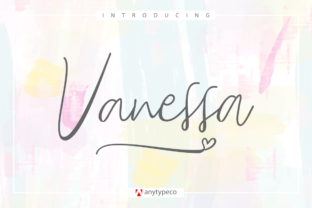
When it comes to choosing the right font for a design project, the options can be overwhelming. However, one standout choice that has gained popularity in recent years is Vanessa. This beautiful handwritten font offers a unique blend of elegance and personality, making it a go-to option for designers looking to add a touch of warmth and authenticity to their work.
What Makes Vanessa Stand Out?
Vanessa is more than just a font—it's a style that brings a sense of individuality to any project. Its fluid, cursive form mimics natural handwriting, giving it an organic feel that feels personal and approachable. Unlike many rigid typefaces, Vanessa adds a human element, which can be especially valuable in branding or marketing materials where a connection with the audience is key.
This script font is ideal for use in a wide range of projects, from logos and packaging to social media graphics and digital signage. Its versatility allows it to adapt to different contexts while maintaining its signature charm. Whether you're working on a high-end fashion brand or a cozy café menu, Vanessa can elevate the visual appeal without overpowering the design.
Why Designers Choose Vanessa
One of the main reasons designers gravitate toward Vanessa is its ability to convey emotion and character. In a world dominated by clean, geometric fonts, a handwritten style like Vanessa can make a design stand out. It adds a sense of creativity and spontaneity that can resonate with audiences on a deeper level.
Moreover, Vanessa is highly legible, even at smaller sizes. This makes it suitable for body text in certain applications, such as invitations, brochures, or signage. While it’s primarily a script font, its clarity ensures that it doesn’t sacrifice readability for style. This balance between aesthetics and functionality is what makes it so appealing to professionals across various industries.
Another advantage of using Vanessa is its compatibility with modern design tools. Most graphic design software, including Adobe Illustrator, Photoshop, and Canva, supports this font, allowing designers to integrate it seamlessly into their workflow. This accessibility means that both seasoned professionals and beginners can experiment with Vanessa without technical barriers.
Vanessa in Different Industries
The adaptability of Vanessa makes it a valuable asset in multiple industries. In the fashion sector, for instance, it can be used to create elegant logos or taglines that reflect a brand’s personality. Its soft curves and flowing lines complement the aesthetic of many fashion brands, adding a touch of sophistication and uniqueness.
In the hospitality industry, Vanessa can enhance the visual identity of restaurants, cafes, or boutique hotels. When used in menus, signage, or promotional materials, it creates a warm and inviting atmosphere that aligns with the overall customer experience. The font’s handwritten quality can evoke a sense of craftsmanship and attention to detail, which is often associated with high-quality service.
For digital marketers, Vanessa offers a fresh alternative to standard sans-serif fonts. It can be used in social media posts, email newsletters, or website headers to capture attention and convey a more personal tone. In a saturated online space, using a distinctive font like Vanessa can help a brand differentiate itself and build a stronger emotional connection with its audience.
Practical Tips for Using Vanessa
While Vanessa is a versatile font, it’s important to use it strategically to avoid overcomplicating a design. One effective approach is to pair it with a simpler, more neutral font for contrast. For example, using Vanessa for headings and a sans-serif font for body text can create a balanced composition that remains easy to read.
Another consideration is the context in which the font will be used. If the goal is to maintain a professional appearance, it’s best to limit the use of Vanessa to specific elements, such as logos or decorative accents. In more casual settings, like a creative portfolio or a personal blog, it can be used more freely to express individuality and artistic flair.
Additionally, designers should pay attention to spacing and alignment when working with script fonts. Since each letter flows into the next, careful attention to kerning and line height can prevent the text from appearing cluttered or difficult to read. Testing different sizes and layouts can also help determine the most effective way to incorporate Vanessa into a design.
Vanessa and the Future of Typography
As design trends continue to evolve, the demand for fonts that offer both beauty and functionality is on the rise. Vanessa exemplifies this trend by combining the artistry of handwritten typography with the practicality required in modern design workflows. Its growing popularity reflects a broader shift toward more personalized and expressive design elements.
With the increasing emphasis on authenticity and individuality in branding, fonts like Vanessa are becoming essential tools for designers who want to create meaningful connections with their audiences. Whether used in print or digital formats, this script font has the potential to transform ordinary designs into something truly memorable.
As more designers discover the benefits of using Vanessa, its influence is likely to expand across various creative fields. From small businesses to large corporations, the appeal of this font lies in its ability to add a human touch to any project. By embracing the charm and flexibility of Vanessa, designers can unlock new possibilities for expression and innovation in their work.