Gingerbread Cake: A Unique Font That Brings Warmth and Creativity to Any Project
In the ever-evolving world of design, typography plays a crucial role in shaping the visual identity of brands, websites, and creative projects. Among the many fonts available, Gingerbread Cake stands out as a hand-crafted typeface that combines the charm of traditional baking with modern design sensibilities. While its name may evoke thoughts of holiday treats, this font is far more than just a seasonal novelty—it’s a versatile tool that can enhance any project, regardless of the time of year.
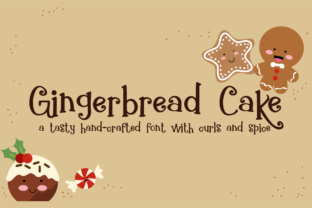
Gingerbread Cake is not your average digital font. It features intricate curls, subtle spice-like textures, and a warm, inviting aesthetic that brings a sense of authenticity to any design. The font was created with a focus on craftsmanship, making it ideal for those who want to add a personal touch to their work. Whether you're designing a logo, creating a marketing campaign, or working on a website, Gingerbread Cake offers a unique way to express creativity and style.
The Rise of Hand-Crafted Typography
Typography has long been a cornerstone of graphic design, but in recent years, there has been a growing trend toward hand-crafted and custom fonts. This shift reflects a broader movement in the design industry toward authenticity, individuality, and emotional connection. Consumers are increasingly drawn to designs that feel personal and meaningful, rather than generic or mass-produced.
Gingerbread Cake fits perfectly into this trend. Its hand-crafted nature gives it a tactile quality that digital fonts often lack. The subtle imperfections and organic shapes of the font create a sense of warmth and approachability, which can be especially valuable in branding and marketing. For businesses looking to stand out in a crowded market, using a unique font like Gingerbread Cake can help differentiate their brand and create a lasting impression.
Why People Are Paying Attention to Gingerbread Cake
There are several reasons why Gingerbread Cake has captured the attention of designers, entrepreneurs, and creatives. One of the main factors is its ability to evoke emotion. The font's design elements—such as its curling lines and spice-like textures—can trigger associations with comfort, nostalgia, and tradition. These emotional connections can be powerful tools in storytelling and brand messaging.
Another reason for its popularity is its versatility. While it may have been inspired by the imagery of gingerbread, Gingerbread Cake is not limited to holiday or food-related themes. It can be used in a wide range of contexts, from fashion and lifestyle branding to tech startups and creative agencies. Its unique character makes it suitable for both bold headlines and subtle body text, depending on the designer's needs.
Additionally, Gingerbread Cake aligns with current trends in sustainability and conscious consumption. As more people seek out products and services that reflect their values, fonts that embody craftsmanship and care can resonate strongly with audiences. Using Gingerbread Cake can signal a commitment to quality, creativity, and thoughtful design—qualities that are highly valued in today's market.
Connecting to Broader Industry Trends
The appeal of Gingerbread Cake can also be understood in the context of larger industry trends. In the digital age, where automation and AI are becoming more prevalent, there is a growing appreciation for human-made and handcrafted elements. This is evident in fields such as fashion, interior design, and even technology, where users are seeking more personalized and authentic experiences.
In the realm of web design, for example, there is a shift toward more expressive and dynamic typography. Designers are moving away from rigid, standardized fonts in favor of ones that offer more personality and visual interest. Gingerbread Cake fits into this trend by providing a distinctive alternative that can elevate the visual impact of a website or application.
Moreover, the font's use of texture and detail reflects a broader interest in multisensory design. As technology continues to evolve, there is an increasing focus on how users interact with digital content. Fonts that incorporate visual depth and complexity can enhance user engagement and create a more immersive experience. Gingerbread Cake achieves this by adding a layer of richness and character to any design.
Practical Applications and Examples
One of the most compelling aspects of Gingerbread Cake is its practicality. While it may seem unconventional, it can be applied in a variety of real-world scenarios. For instance, a small business owner launching a new line of baked goods could use the font to create a logo that feels authentic and appealing. Similarly, a digital marketer might use Gingerbread Cake in a campaign to convey a sense of warmth and trustworthiness.
Another example is in the world of independent publishing. Authors and publishers who want to create a unique book cover or title page might choose Gingerbread Cake to give their work a distinct visual identity. The font's nostalgic qualities can also be effective in campaigns targeting older demographics or those with a sentimental connection to traditional aesthetics.
In the tech industry, where minimalism and clarity are often prioritized, Gingerbread Cake might seem out of place. However, it can still be used strategically in certain contexts. For example, a startup focused on home goods or lifestyle apps could incorporate the font into their branding to create a more approachable and relatable image. By doing so, they can differentiate themselves from competitors who rely on more standard typography.
Adapting to Changing Needs and Preferences
The relevance of Gingerbread Cake also stems from its ability to adapt to changing consumer preferences. As people become more discerning about the brands they support, there is a greater demand for unique and meaningful design elements. Fonts that offer more than just functionality—such as Gingerbread Cake—can help meet this demand by adding a layer of storytelling and emotional resonance.
Furthermore, the font's flexibility allows it to be used across different platforms and mediums. Whether it's for print, digital, or social media, Gingerbread Cake maintains its visual integrity and character. This adaptability makes it a valuable asset for professionals who need to maintain a consistent brand presence across multiple channels.
Conclusion
Gingerbread Cake is more than just a font—it's a statement. Its hand-crafted design, warm aesthetic, and emotional appeal make it a powerful tool for anyone looking to add a unique touch to their work. While its name may suggest a seasonal theme, its relevance extends far beyond the holidays, offering value in a wide range of industries and applications.
As the design landscape continues to evolve, fonts like Gingerbread Cake will play an important role in shaping the future of visual communication. By embracing creativity, authenticity, and craftsmanship, designers and businesses can leverage this font to connect with their audience in meaningful ways. Whether you're a professional, creator, entrepreneur, or enthusiast, Gingerbread Cake is a reminder that sometimes, the most unexpected ideas can have the greatest impact.